
Most people have heard “every six months”. It’s a sensible starting point, but it isn’t a rule that fits everyone. The right interval between checkups depends on your teeth, your gums and your history, and it can change over time.
What happens at a checkup
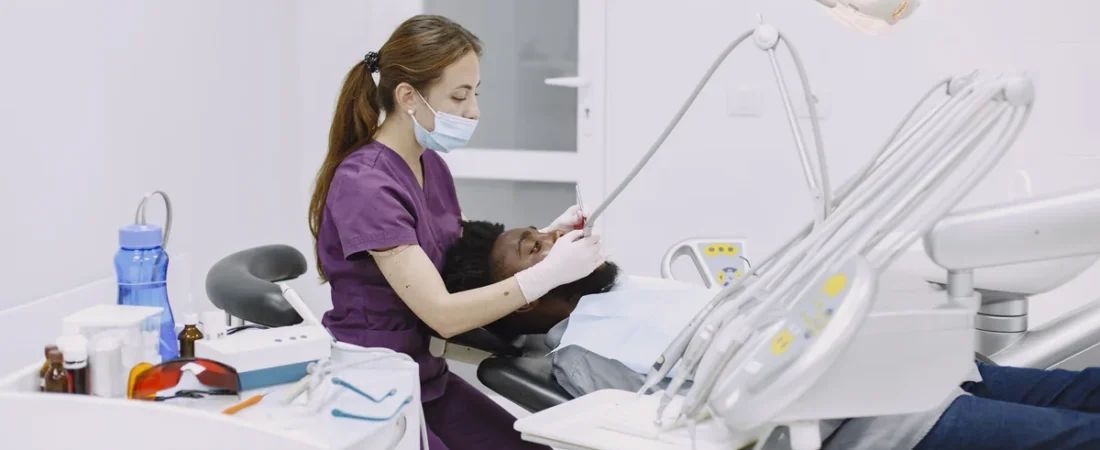
A routine visit is quick and unhurried. Your dentist will usually:
- Ask how you’ve been and whether anything has changed, including new medicines or health conditions.
- Check your teeth for decay and look at existing fillings, crowns or other work.
- Check your gums for signs of inflammation or gum disease.
- Look at the soft tissues of your mouth, tongue and throat.
- Take X-rays if they’re needed, which isn’t at every visit.
Most checkups are paired with a professional clean, which removes the hardened plaque (tartar) that brushing at home can’t shift.
Why the interval varies
Your dentist sets the gap between visits based on what they see. People who often need to come more frequently include those who:
- have had several fillings or new decay recently
- have gum disease, or have had it before
- smoke
- have diabetes or another condition that affects the gums
- are pregnant, since hormonal changes can make gums more likely to bleed
If your mouth has been healthy for a long time, your dentist may suggest a longer gap. Either way, it’s a conversation, and you can always ask why they’ve recommended what they have.
Why it’s worth keeping to
Many dental problems don’t hurt until they’re well advanced. Early decay and gum disease are often painless, so a checkup is the only way to catch them while they’re small. A small cavity found early usually needs a simple filling; left until it aches, the same tooth may need root canal treatment or an extraction. Regular visits also let your dentist compare what they see with last time, so changes are easier to spot.
Children and teenagers
Children’s teeth and jaws change quickly, so they often benefit from more regular visits. Bringing a child along early, even just to sit in the chair and get used to the room, makes later visits much easier.
Between visits
Good habits at home do most of the work:
- Brush twice a day for about two minutes with a fluoride toothpaste.
- Clean between your teeth once a day with floss or interdental brushes.
- Keep sugary snacks and drinks to mealtimes rather than grazing through the day.
Gums that bleed when you brush are worth mentioning at your next visit. Bleeding is a common early sign of gum disease, and at that stage it can usually be reversed with better cleaning at home and a professional clean.
And don’t wait for your next checkup if something feels wrong. Pain, swelling, a broken tooth or gums that bleed often are all reasons to book sooner.
Book your next checkup
If you can’t remember your last visit, that’s a good sign it’s time. See what a checkup and clean at Calma Dental involves, or get in touch to find a time that suits you.