
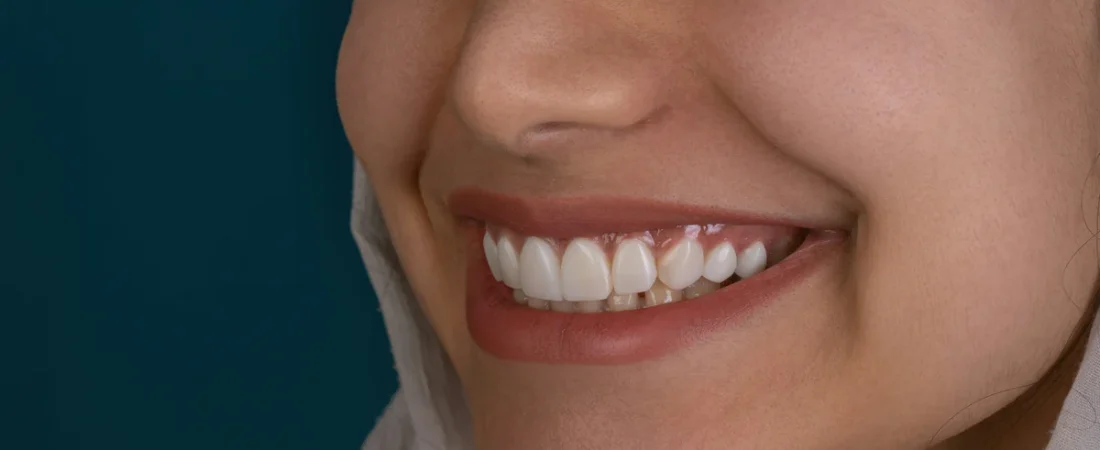
A brighter smile is one of the most common reasons people ask us about cosmetic dentistry. Whitening can make a real difference, and it works best when you know what to expect before you start.
Why teeth darken
Teeth pick up stains over time from coffee, tea, red wine and smoking. They also tend to look a little darker with age as the outer enamel wears thinner. Some discolouration comes from inside the tooth, after an injury or from certain medicines, and doesn’t respond to whitening in the same way.
How professional whitening works
Whitening uses a peroxide-based gel to lighten the colour of your natural teeth. With a dentist, it starts with a check that your teeth and gums are healthy, because whitening over untreated decay or gum problems can be uncomfortable. Treatment then happens in the clinic, at home with custom-made trays and a gel your dentist supplies, or a combination of both.
Who it suits
Whitening suits most adults with healthy teeth and gums. It isn’t usually recommended during pregnancy or breastfeeding, or for children and younger teenagers. Your dentist will tell you whether it’s right for you.
What whitening won’t change
Whitening only works on natural teeth. Fillings, crowns, veneers and dentures keep their colour, so if you have visible work at the front of your mouth, it may stop matching once the teeth around it are lighter. Your dentist can talk you through the options before you begin.
How long it takes
In-clinic whitening is usually done in a single, longer appointment. Home whitening with trays is worn for a set time each day, typically over a couple of weeks. If you’re whitening for a wedding or another big day, plan ahead: leave time for the check-up first, the treatment itself and any sensitivity to settle, so start a few weeks before the date.
Sensitivity is normal, and temporary
Some people find their teeth feel sensitive, especially to cold, during treatment and for a short time afterwards. It usually settles on its own. A toothpaste for sensitive teeth helps, and your dentist can adjust the treatment if needed.
Making results last
Whitening isn’t permanent, but results can last a long time with a little care:
- Rinse with water after coffee, tea or red wine.
- Keep up regular checkups and professional cleans.
- Avoid smoking.
- Ask about a top-up when you notice the colour fading.
A word on shop-bought kits
Over-the-counter products are weaker and can’t be tailored to your teeth, and poorly fitting trays can let the gel irritate your gums. Starting with a dental check means you’ll know whether whitening is right for you and which approach will work best.
See how teeth whitening at Calma Dental works, or get in touch to talk it through.